N17 Removals Tips for Narrow Streets and Parking Rules
Moving in N17 can feel straightforward on paper, then suddenly the street turns tight, the parking bays are full, and the van has nowhere sensible to stop. That is usually where a smooth move becomes a stressful one. The good news? With the right planning, N17 removals tips for narrow streets and parking rules can save time, reduce awkward lifting, and help you avoid a frustrating last-minute scramble.
Whether you are moving from a flat near the station, a terraced street with limited access, or a family home tucked off a busy road, the trick is to think about parking, walking distance, and loading space before moving day. This guide brings those pieces together in a practical way. You will find realistic advice on narrow street access, parking restrictions, timing, common mistakes, and the small details that make a big difference. To be fair, it is usually the tiny things - a parked car, a poorly timed arrival, a box left in the hallway - that cause the biggest headaches.
If you want a broader look at the moving process too, you may find it helpful to read this stress-free house moving guide alongside the advice below.
- Why this matters in N17
- How the process works
- Benefits of planning narrow-street access well
- Who needs this advice most
- Step-by-step moving guidance
- Expert tips for tighter roads
- Mistakes to avoid
- Tools and useful resources
- Parking rules and best practice
- Options and comparison table
- Real-world example
- Practical checklist
- Conclusion
- Frequently asked questions
Why N17 removals tips for narrow streets and parking rules Matters
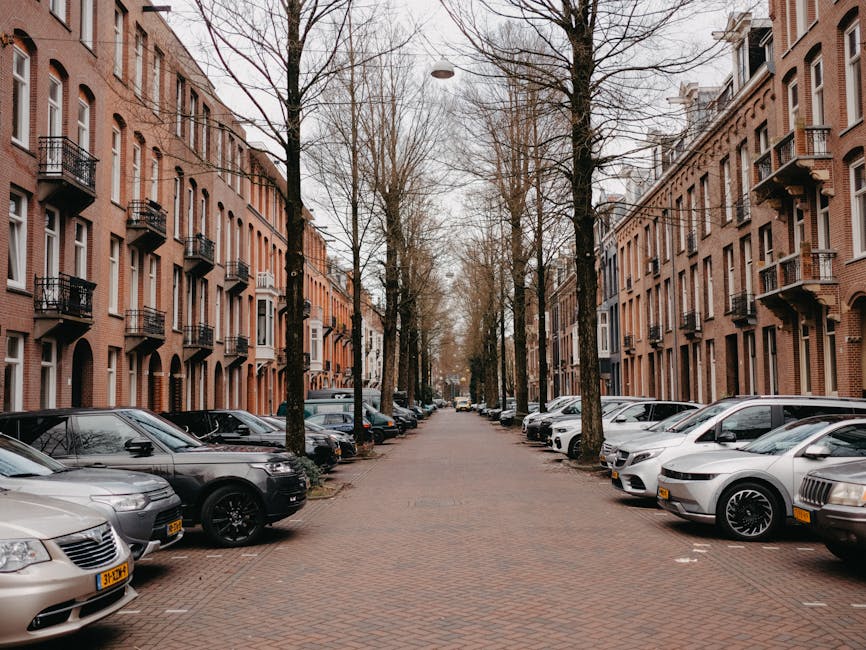
Narrow streets do more than slow a van down. They shape the whole move. In N17, where roads can be busy, parked-up, or awkward for larger vehicles, a removal plan that ignores parking and access can quickly become messy. The driver may need to stop further away than expected. Your sofa might need to be carried around a corner. A mattress may have to pass through a tighter entrance than you imagined at the quote stage. Suddenly every minute matters.
This matters because removals are not just about transport. They are about load-in efficiency, safe lifting, avoiding complaints from neighbours, and keeping the day on schedule. If a van blocks traffic or parks where it should not, the move can create avoidable tension. If the crew has to double-handle items because access was not planned, that can add fatigue and delay. And if you have fragile or bulky items, poor access can raise the risk of bumps and scrapes. Nobody wants that, especially when you are already juggling keys, boxes, and the strange emotional business of moving out of a place you have known for years.
For many local moves, a well-prepared approach is the difference between a one-trip job and a day that drifts into the evening. If you are moving furniture specifically, take a look at furniture removals in Tottenham Hale for a service page that aligns with this kind of access challenge.
How N17 removals tips for narrow streets and parking rules Works
The idea is simple: you match the move to the street, not the other way around. That means checking where a van can stop, how far items must be carried, whether the street needs permission or a visitor permit, and what time of day is least disruptive. A move that works well in an open suburban road can behave very differently on a tight London street. The shape of the road, traffic flow, nearby schools, bay restrictions, and even local rubbish collection patterns can matter.
In practice, the process usually follows a few stages:
- Assess the access - look at the street width, turning space, pavement width, and whether there is room for a removal van to pause safely.
- Check the parking rules - look for signs, controlled parking zones, loading restrictions, single yellow lines, or permit requirements.
- Choose the right vehicle - a smaller van or man and van setup may be more appropriate than a large removal lorry.
- Set the timing - off-peak hours often help, though the exact best time depends on the street.
- Reduce the load - declutter and pack efficiently so you are not carrying unnecessary items up and down the road.
There is also a human side to it. The best-planned jobs tend to feel calmer. Doors open, items move, there is less backtracking, and the whole thing looks organised rather than improvised. If you are still sorting how to pack, strategic packing techniques can make narrow-street removals noticeably easier.
Key Benefits and Practical Advantages
Planning around narrow streets and parking rules brings some obvious benefits, but also a few less obvious ones that people often miss.
- Less carrying distance - the closer the van can stop, the fewer trips through a hallway or down the pavement.
- Lower risk of damage - shorter carry routes reduce the chance of knocking walls, doors, or banisters.
- Better time control - a move stays closer to schedule when parking is sorted in advance.
- Less stress for neighbours - sensible parking avoids blocked driveways and angry knocks on the window. Nobody enjoys that.
- Safer lifting - reduced distance and better access mean fewer awkward turns and less strain.
- Clearer pricing - a move that is planned properly is easier to quote fairly and accurately.
There is another practical advantage: better access planning often helps you choose the right type of move. For example, a flat move with stairs and limited parking may suit a flat removals service in Tottenham Hale, while a larger property may call for a different setup. That kind of choice can save you money and time, which is always nice, let's face it.
Who This Is For and When It Makes Sense
This advice is especially useful if you are moving from or into:
- a flat on a narrow residential road
- a terraced house with limited on-street parking
- a property near schools, shops, or busier routes
- a home with loading access around the back or side
- a student property where access is tight and timing is fixed
- a street with permit parking or loading restrictions
It also makes sense if you are moving something awkward, like a piano, wardrobe, or sofa that will not simply glide out the door with a bit of optimism and a prayer. For specialist loads, read why piano moving is not usually a DIY job before deciding how to proceed. The same goes for big furniture; safe sofa handling and storage advice can be useful if the move involves temporary storage or awkward access.
If you are a landlord, letting agent, first-time buyer, tenant with a fixed handover slot, or a student moving between shared homes, this is especially relevant. In those cases, timing is tight and there is not much room for error. One small parking mistake can throw the whole day off.
Step-by-Step Guidance
Here is a practical way to handle a move in a narrow N17 street without overcomplicating it.
1. Walk the route before moving day
Stand at the front door and look at the full route to the van. Is there a kerb drop? Is the pavement wide enough for a trolley? Are there low branches, steps, or tight turns? If your own path feels awkward on a normal day, it will feel more awkward with boxes in hand.
2. Check signs, bays, and permit zones
Do not assume you can just stop where the van is convenient. London parking rules can be strict, and they vary street by street. Check nearby signs carefully. Look for time restrictions, resident bays, bay suspensions, yellow lines, or loading-only areas. If in doubt, plan conservatively and allow extra time.
3. Decide how close the van can realistically get
Sometimes the best parking spot is not directly outside. That is fine. The aim is to find the nearest legal, safe position that still lets the crew work efficiently. A few extra metres is manageable. An illegally parked van is not worth the risk.
4. Group items by size and priority
Keep bulky items together and the essentials easy to reach. If the van cannot park right outside, you will want the first load to include the biggest or most awkward items so they do not block the hallway later.
5. Protect the building path
Hallways, stair edges, and doorframes take a beating during narrow-street moves. Use blankets, covers, or corner protection where needed. A careful crew will do this naturally, but it helps if the property is already prepared.
6. Plan for weather and lighting
Rain, glare, and low light make tight access more difficult. If the move is early or late in the day, make sure entrances and paths are visible. A wet pavement in the evening can slow everything down more than you might expect. Small thing, big effect.
7. Keep communication simple
One person should know the plan for parking, keys, and access. If a neighbour needs to move a car or if the van needs to reposition, having one clear point of contact avoids confusion.
Expert Tips for Better Results
These are the details that tend to separate a decent move from a genuinely smooth one.
- Use a smaller van when access is tight. A more compact vehicle may be easier to position legally and safely on a narrow road.
- Book a time that avoids the school run or commuter surge. Even if it adds a bit of planning, the street may be much easier to work on.
- Pre-pack the "awkward items" first. Mirrors, tall lamps, mattress toppers, and disassembled furniture should be ready before the van arrives.
- Declutter before the move. The fewer unnecessary boxes you carry, the faster the hand-carry sections will be. A simple decluttering process can make a real difference.
- Measure the biggest item against the narrowest point. That could be a stair turn, hallway bend, or front gate. It sounds basic, but people skip it all the time.
- Think about removal order. If the van is parked a short walk away, load the heaviest items first so the most demanding lifting happens while everyone is fresh.
- Use the right team for the job. A local man and van service in Tottenham Hale can be a smart fit for smaller jobs and restricted streets.
One little observation from real moving days: the most successful jobs are rarely the ones with the fanciest equipment. They are the ones where the plan is boring in a good way. Park, load, move, check, finish. Lovely. No drama.
Common Mistakes to Avoid
Most access problems come from simple assumptions. Fair enough, people are busy. But these are the ones worth avoiding:
- Assuming parking will be available outside the property. In N17, that is often the first thing to fall apart.
- Ignoring loading restrictions. A van may be legal in one part of the day and not at another.
- Booking a vehicle that is too large. Bigger is not always better on a tight road.
- Leaving packing until the last minute. That creates bottlenecks when the crew needs fast access.
- Forgetting to warn neighbours. A little notice can reduce friction, especially if the street is already narrow.
- Not checking whether storage is needed. If the new property is not ready, a temporary option may be safer. See storage in Tottenham Hale if your move needs breathing room.
- Overestimating lifting ability. Heavy items on a tight carry route are a poor mix. If the item is awkward, treat it as awkward.
And yes, people do sometimes forget the obvious: keys, permits, lift bookings, building access codes. Classic move day chaos. A short list on the fridge the night before helps more than you'd think.
Tools, Resources and Recommendations
You do not need a van full of specialist gear to manage a narrow-street move, but the right tools help.
| Tool or resource | Why it helps | Best use case |
|---|---|---|
| Furniture blankets | Protect doors, furniture, and walls during tight manoeuvres | Stairwells, hallway bends, door frames |
| Straps and trolleys | Make lifting and carrying more controlled | Heavy boxes, white goods, awkward items |
| Floor protection | Reduces marking and slipping risk | Wet weather or polished flooring |
| Phone map and parking notes | Keeps the parking plan visible | Street checks and re-positioning |
| Boxes with clear labels | Speeds unloading when the van cannot park close | Fast hand-carry and room placement |
| Permits or booking confirmations | Helps avoid confusion if enforcement checks the street | Restricted roads and timed bays |
If you are planning the move around your own schedule, it can also help to use a service that fits around your day. Flexible delivery timing matters more than people expect when parking windows are tight. And if you like to prepare everything in advance, pack your items and wait for collection is a useful mindset for keeping things simple.
For the heavier or more delicate side of removals, guidance like lifting heavy without help and moving a bed and mattress safely is worth a look. They deal with the practical reality of awkward loads, which is exactly where narrow streets become tricky.
Law, Compliance, Standards, or Best Practice
Parking and loading on public roads should always be handled with care. The exact rules depend on the street, the local authority, and the signs in place on the day. That means you should never rely on guesswork. Check the street signage directly, and if the move may need special access or a stay in a controlled bay, plan ahead rather than hoping for the best.
In the UK, best practice for removals on narrow streets usually includes:
- parking only where it is legally allowed
- avoiding obstruction of driveways, junctions, crossings, or emergency access
- respecting resident permit bays and loading limits
- keeping pavements passable wherever possible
- using suitable lifting methods to reduce injury risk
If a move involves multiple people, stairs, or heavy items, safe handling matters. A responsible removal company should have sensible procedures, appropriate equipment, and a clear approach to health and safety. You can review related service information such as health and safety policy details and insurance and safety information before booking. That gives you a better sense of how the job is managed, which is never a bad thing.
For the broader service picture, removal services in Tottenham Hale and removals in Tottenham Hale can help you compare what is available locally. If you are moving on a compressed deadline, same-day removals may also be relevant, though you would want to confirm access first. Same day is handy, but only if the street setup makes sense.
Options, Methods, or Comparison Table
Different moves call for different approaches. Here is a simple comparison of the most common options for narrow streets in N17.
| Method | Best for | Advantages | Watch-outs |
|---|---|---|---|
| Man and van | Small to medium moves, tight roads, flexible timing | Easier to park, usually more adaptable, good for local jobs | May require more trips if the load is large |
| Full removal van | Larger moves or many items | Can carry more in one go | Harder to position on narrow streets |
| Split load with storage | Moves with timing gaps or access issues | Reduces pressure on the moving day itself | Extra coordination is needed |
| DIY hire vehicle | Very small moves where access is simple | Lower upfront spend in some cases | Parking, loading, and lifting all fall on you |
For many N17 streets, a compact local setup is the most realistic choice. A larger vehicle can still work, of course, but only if the parking and turning space genuinely suit it. Otherwise, the clever move is to keep it simple. If that sounds like your situation, the man with a van page is a helpful place to compare the service style and see whether it fits your move.
Case Study or Real-World Example
A fairly typical N17 move might look like this: a couple is leaving a top-floor flat on a street with permit parking and a narrow carriageway. Their sofa, bed frame, and several boxes need to come out between 8:00 and 9:30 in the morning, before work traffic builds. At first they think the van can stop directly outside. On inspection, that spot is already occupied, and the nearest legal space is a short distance away.
Because they checked the route the day before, they know the lift is not going to be right at the door. They reorganise the load so the heaviest pieces are ready first. The sofa is wrapped, the mattress is protected, and the hallway is cleared. A helper stands at the front of the building while another person manages the route to the van. The hand-carry section is longer than expected, but the job stays calm because the plan already accounted for that. No one is rushing. No one is arguing with a parking ticket. A tiny victory, perhaps, but a real one.
That is really the lesson: with narrow streets, good planning turns a potentially awkward move into a manageable one. Not glamorous. Just effective.
Practical Checklist
Use this checklist the day before and again on the morning of the move.
- Confirm the moving time and vehicle size
- Check parking signs and restrictions on both ends of the move
- Measure the widest items and the narrowest access points
- Clear hallways, staircases, and entrance areas
- Pack fragile items separately and label them clearly
- Set aside essential documents, keys, chargers, and medication
- Warn neighbours if parking may be tight or temporary access is needed
- Protect floors and walls where the carry route is narrow
- Keep drinks, snacks, and a small tool kit close by
- Have a backup plan if the closest parking space is unavailable
If you are still building out the move itself, packing and boxes in Tottenham Hale can support the preparation side, while specialist piano removals are worth considering if you have particularly delicate or heavy items.
Conclusion
Moving in N17 is much easier when you treat narrow streets and parking rules as part of the plan, not a side issue. A little preparation goes a long way: check the road, understand the restrictions, choose the right vehicle, and keep the loading route simple. That way, you protect your belongings, keep the day moving, and avoid the kind of stress that makes a house move feel ten times bigger than it needs to.
In our experience, the best local moves are the ones where nothing feels rushed. The van arrives, the access makes sense, and the whole thing unfolds in a steady rhythm. That is what you want. Quietly efficient. A bit ordinary, even. And honestly, ordinary is lovely on moving day.
If you are ready to talk through your route, timing, or access concerns, you can contact the team here for straightforward help and a clear next step.
Get a free quote today and see how much you can save.
Frequently Asked Questions
What is the best way to plan a removals job on a narrow N17 street?
Start by checking the street layout, parking restrictions, and likely carry distance. Then choose a vehicle that can legally stop close enough to keep loading safe and efficient. A small amount of planning makes a big difference.
Do I need a parking permit for a removals van in Tottenham Hale?
It depends on the street and the time of day. Some roads have permit zones or loading restrictions, while others allow short stops. Always check the actual signs and any local rules before the move.
Can a moving van block the road while loading?
Generally, no, not in a way that causes unnecessary obstruction or breaks local parking rules. The van should park legally and safely. If access is tight, it is better to plan a legal stop nearby than to risk a poor parking decision.
What size van is best for narrow streets?
A smaller or medium van is often easier to manage on tight roads, especially where parking space is limited. The right choice depends on the load size, the turning space, and how far the carry route will be.
How early should I check parking before moving day?
Ideally a day or two before, then again on the day itself. Street conditions change quickly in London, and a space that looked fine yesterday may not be available when you need it.
What should I do if there is no parking outside my property?
Use the nearest legal space and plan for a longer carry route. Clear the route in advance, protect the items properly, and keep communication simple so the team knows where to load from.
Are narrow street moves more expensive?
They can be if access adds time, labour, or complexity. But not every narrow street move costs more. A well-organised job with clear parking arrangements is often much more efficient than people expect.
How can I make lifting safer in a tight hallway or stairwell?
Keep the path clear, use proper lifting technique, and avoid rushing. For heavier items, use straps, blankets, and the right number of people. If an item is awkward or very heavy, specialist handling is usually the better choice.
Should I tell neighbours about my move?
Yes, if possible. A quick heads-up can prevent frustration if parking is likely to be tight or temporary access is needed. It is a small courtesy that often makes the day feel smoother.
Can I combine packing and removals on the same day?
You can, but it is usually less efficient, especially on narrow streets. Pre-packing means the van can be loaded faster and the carry route stays clear. That helps a lot when parking is limited.
What if my move includes heavy furniture or a piano?
Heavy or delicate items deserve special care. It is wise to use a service that understands the handling, padding, and routing needed for those items. For pianos in particular, specialist support is usually the safer option.
How do I know if a removal company understands local access issues?
Ask how they handle narrow streets, permit zones, and loading restrictions. A good local team should be comfortable discussing vehicle size, timing, and contingency plans without making it sound complicated.